
“Preparation isn't just preliminary—your vision should be seen and heard correctly.”
Meetings can be a bit like a game of chess—preparation is key to winning. Knowing how to prepare can make all the difference, whether a team catch-up or a big presentation. But where do you start? Don't worry; we've got you covered!
Table of Contents
- The Purpose of the Meeting
- Effective Meeting Strategies
- 10 Ways to Prepare For a Team Meeting
- Review and Reflection
This guide will explain everything you need to prepare for meetings in simple, easy-to-follow steps. Let's get started!
The Purpose of the Meeting
| Meeting Purpose | Meeting Objectives | |
| Meaning | It refers to the overall aim or reason for the meeting. | It refers to the exact outputs that the team intends to attain. |
| Aim | Explain the reasons for the gathering. | Specifies the goal for which the team will work. |
| Features | Abstract and insignificant. | Solid and substantial. |
| Goal | Team members work together to achieve a common goal. | Drive progress with concrete objectives. |
| Examples |
A tech company's marketing team meets to plan a product launch in three months. They start with introductions and goal setting, review market analysis and audience insights, brainstorm strategies, and organize a productive meeting with assigned tasks and a timeline. The session ends with a Q&A to clarify the next steps and schedule follow-up meetings, ensuring alignment and momentum for a successful launch. |
A team of engineers set a goal to reduce manufacturing waste by 20% within six months. They implemented new recycling processes, optimized production lines, and trained staff on efficient resource use. Through diligent monitoring and adjustments, they achieved a 25% reduction in waste, surpassing their initial objective ahead of schedule. |
Effective Meeting Strategies
At the heart of every successful meeting lies a clear understanding of its objectives. Before convening, organizers must ask themselves: What specific outcomes are we aiming to achieve? Whether brainstorming ideas, making strategic decisions, or providing project updates, defining these objectives sets the direction for the meeting and guides its agenda.
It's an inherently collaborative endeavor involving individuals with diverse expertise, perspectives, and interests. Identifying key stakeholders—those whose involvement or input significantly impacts the meeting's objectives—is crucial for meaningful engagement and decision-making. Whether they are team members, department heads, clients, or external partners, recognizing and involving stakeholders ensures that discussions are comprehensive, relevant, and representative of all relevant viewpoints.
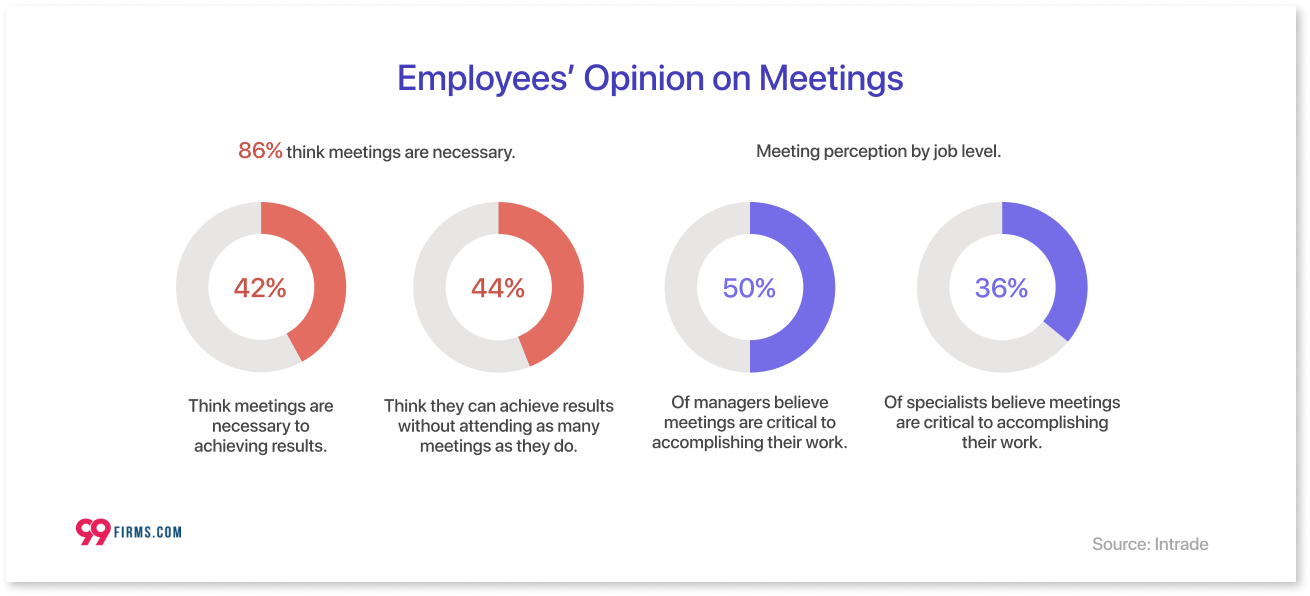
Clarity breeds productivity. Setting clear expectations before, during, and after a meeting is fundamental to its success. This entails outlining the meeting's purpose, agenda, roles, and responsibilities in advance, enabling participants to prepare adequately and contribute meaningfully.
During the meeting, facilitating open communication, time management effectively, and staying focused on the agenda helps maintain momentum and ensure discussions remain aligned with professional etiquette and other objectives. Post-meeting, following up with action items, decisions, and next steps reinforces accountability and sustains momentum beyond the meeting room.
10 Ways to Prepare For a Team Meeting
Efficient pre-meeting planning is crucial for driving productive discussions and successful outcomes. This process begins with scheduling the meeting at a mutually convenient time, considering the availability of key stakeholders, and utilizing scheduling tools when necessary.
Gathering and Organizing Materials
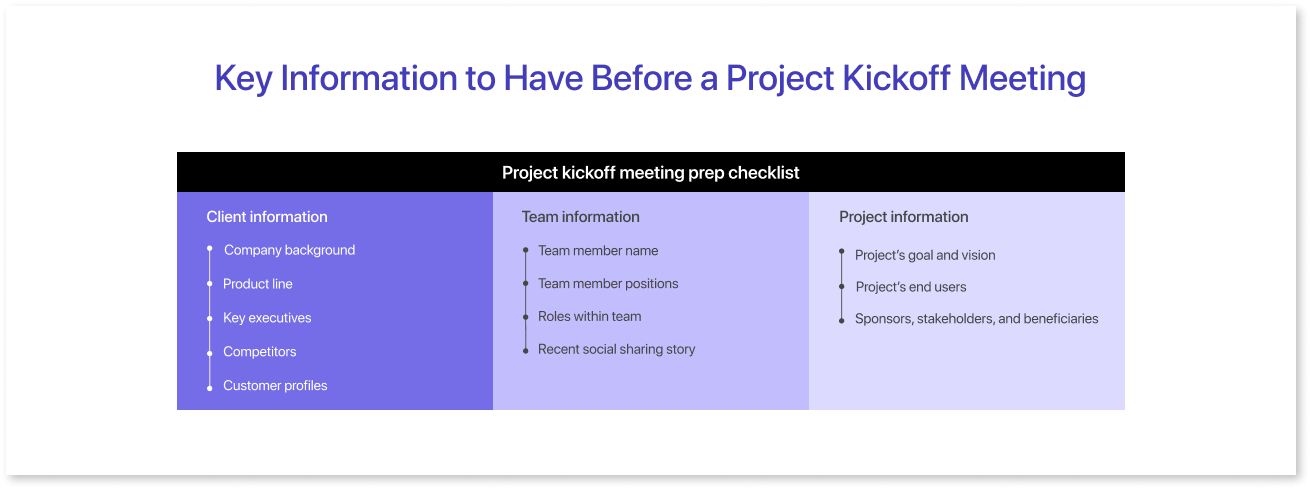
Efficient meeting preparation involves gathering, organizing, and presenting materials to foster productive discussions and informed decision-making.
- Reviewing previous meeting notes establishes continuity, tracks progress, and identifies unresolved issues or action items. This ensures that discussions build upon prior decisions and focus on advancing objectives.
- Collecting relevant data and information equips participants with insights into the topics, facilitating more informed discussions and robust decision-making. Organizing documents and presentations based on topics or agenda items streamlines access and reference, minimizing confusion and maximizing the time for meaningful dialogue.
- Setting a clear agenda is crucial as it provides a structured framework for the meeting, outlines the topics to be discussed, and saves time for each item. This ensures that the meeting stays focused, prevents deviations from key issues, and helps participants prepare adequately, contributing to more productive and efficient meetings.
Research and Preparation
Tips for creating an effective meeting agenda begin with comprehensive research. Delving deep into the topic at hand enables us to grasp its nuances, anticipate potential challenges, and identify opportunities for innovation. Then comes anticipating questions and concerns, which is essential for fostering engaging and productive discussions.
Preparing Talking Points with Data Visualization
Presenters can highlight key points and guide the audience through the narrative by carefully choosing colors, labels, and annotations. With the integration of platforms like mokkup.ai, presenters can easily incorporate interactive elements and real-time data, further engaging viewers and making the presentation informative and memorable.
Mokkup.ai revolutionizes information presentation by offering diverse visualization options that captivate and engage audiences. Utilizing interactive charts and graphs, Mokkup.ai empowers users to transform complex data into intuitive visuals that resonate with stakeholders. For instance, when presenting an increase in the number of followers, Mokkup.ai helps create compelling dashboards that clearly convey this growth.
Setting Clear Objectives
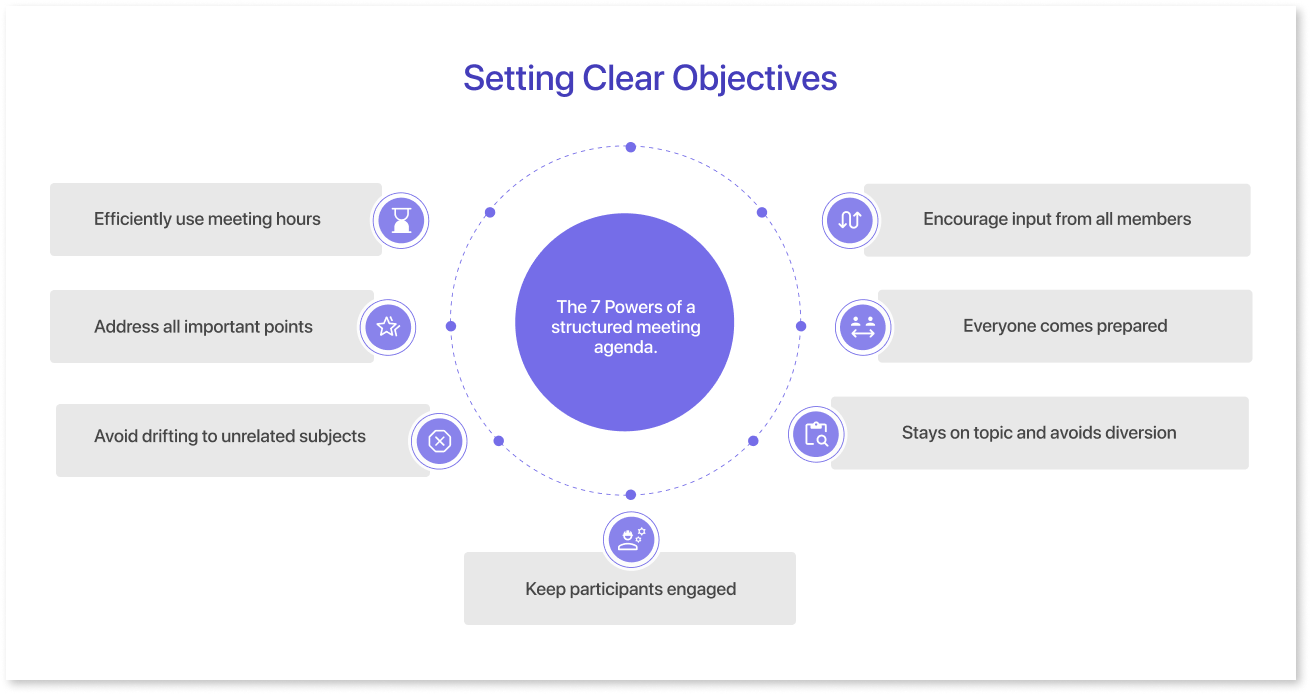
Setting clear objectives is crucial for ensuring that meetings are productive and focused. Firstly, defining specific goals helps outline what needs to be achieved during the meeting. For example, stating objectives like "to brainstorm marketing strategies for the new product launch" or "to finalize the budget allocation for Q3" provides clarity to participants on the purpose of their discussion. This clarity reduces ambiguity and helps everyone stay on track during the meeting.
Secondly, aligning these objectives with the overall project or organizational goals ensures that the meeting outcomes contribute meaningfully to larger objectives. When objectives are aligned, every discussion, decision, and action taken within the meeting becomes more purposeful and impactful. It helps keep the team's efforts synchronized with the broader mission and vision of the project or organizational skills, maximizing efficiency and ensuring that resources are utilized effectively.
Mental Preparation
Cultivating mental preparedness for meetings entails adopting a positive mindset, managing pre-meeting anxiety, and visualizing success.
- Getting in the right mindset involves positively approaching the meeting, acknowledging one's strengths, and maintaining an openness to new ideas.
- Managing pre-meeting anxiety requires proactive stress management techniques such as deep breathing and task prioritization to mitigate nerves and focus on preparation.
- Visualizing success through mental rehearsal helps build confidence and clarity, envisioning oneself navigating the meeting easily, contributing effectively, and achieving positive outcomes.
Choosing the Right Meeting Format
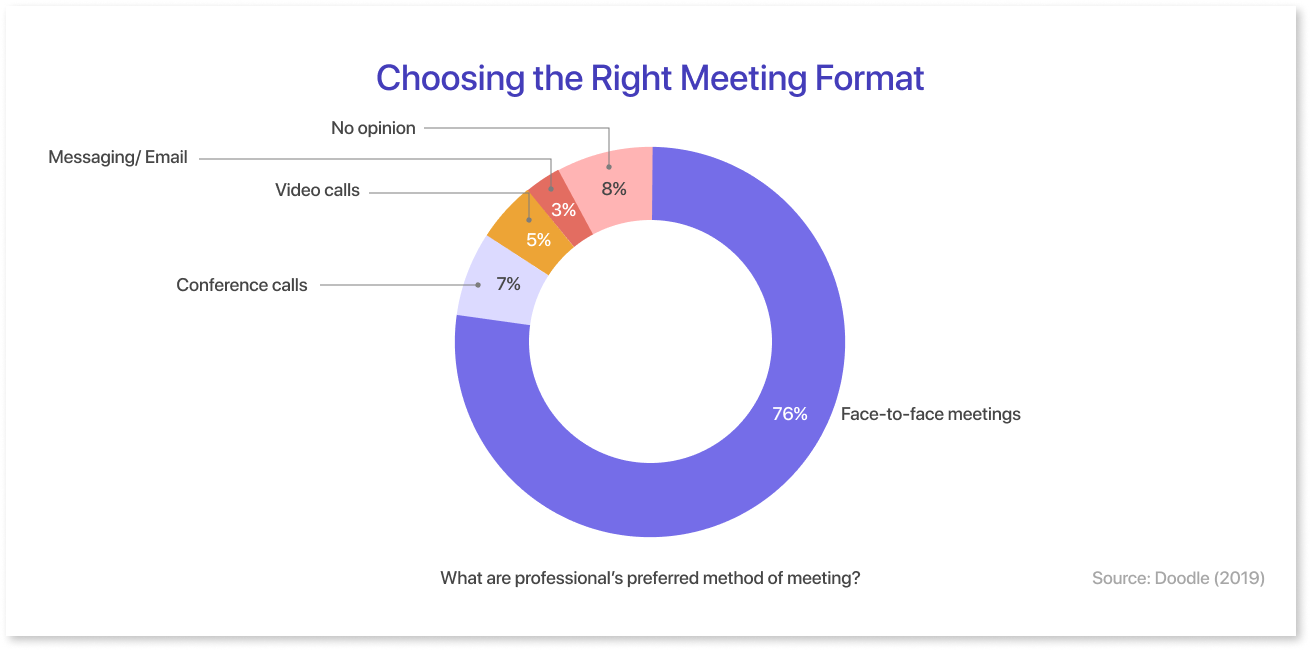
Choosing the right meeting format depends on various factors impacting communication effectiveness and participant engagement. Face-to-face meetings, where everyone gathers in the same physical location, offer direct interaction and non-verbal cues like body language, making discussions more personal and immediate.
- Virtual meetings, conducted entirely online through video conferencing platforms, provide convenience and accessibility, allowing participants from different locations to join without travel. They reduce costs and environmental impact but can suffer from technical glitches, distractions, and a lack of non-verbal cues, potentially affecting communication clarity and engagement.
- Hybrid meetings blend face-to-face and virtual elements, accommodating participants who prefer or need either format. They offer flexibility while reducing travel expenses and carbon footprint but require careful business planning to ensure equal participation and effective communication between in-person and remote attendees. Managing technology and ensuring inclusivity for all participants can present challenges in hybrid meetings.
Also, identifying key stakeholders ensures that decisions can be made efficiently and with the necessary input. Balancing inclusivity and focus involves inviting those directly involved in the topic while considering others who may provide valuable perspectives without overcrowding the meeting. Scheduling tools are essential for finding mutually convenient times and accommodating different time zones and availability preferences, thus maximizing participation and engagement.
Communication and Collaboration
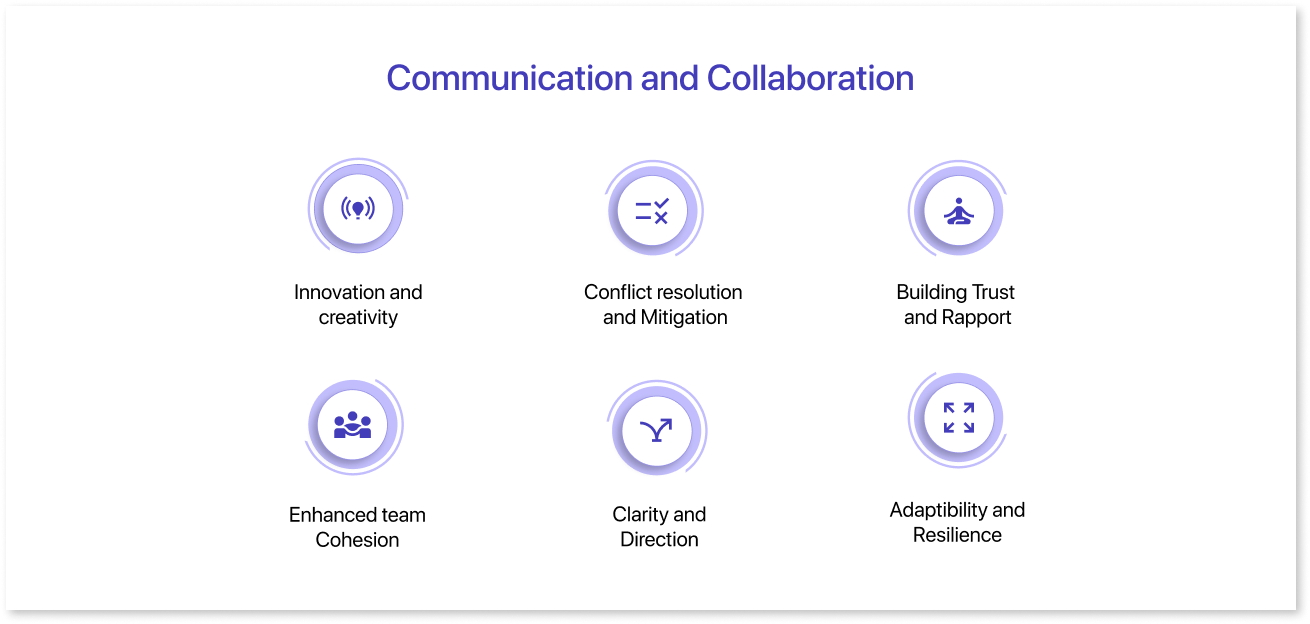
Effective communication and meeting collaboration are vital for productive outcomes in modern collaborative settings. Preparation is key: understand your audience, set clear objectives, and share a structured agenda beforehand. During the meeting, practice active listening, deliver ideas clearly and concisely, and use engaging visuals.
Encourage feedback and acknowledge contributions to foster a collaborative atmosphere. Inclusive participation ensures all voices are heard, while role assignments and clear responsibilities streamline the process. Consensus-building and defined action items enhance decision-making. Follow up with detailed meeting minutes and monitor progress on action items.
For effective presentations, start with a compelling opener and clearly state the purpose. Organize content logically and use signposts to guide the audience. Visual aids should be simple and relevant, maintaining consistency in design.
Active Listening and Note-taking
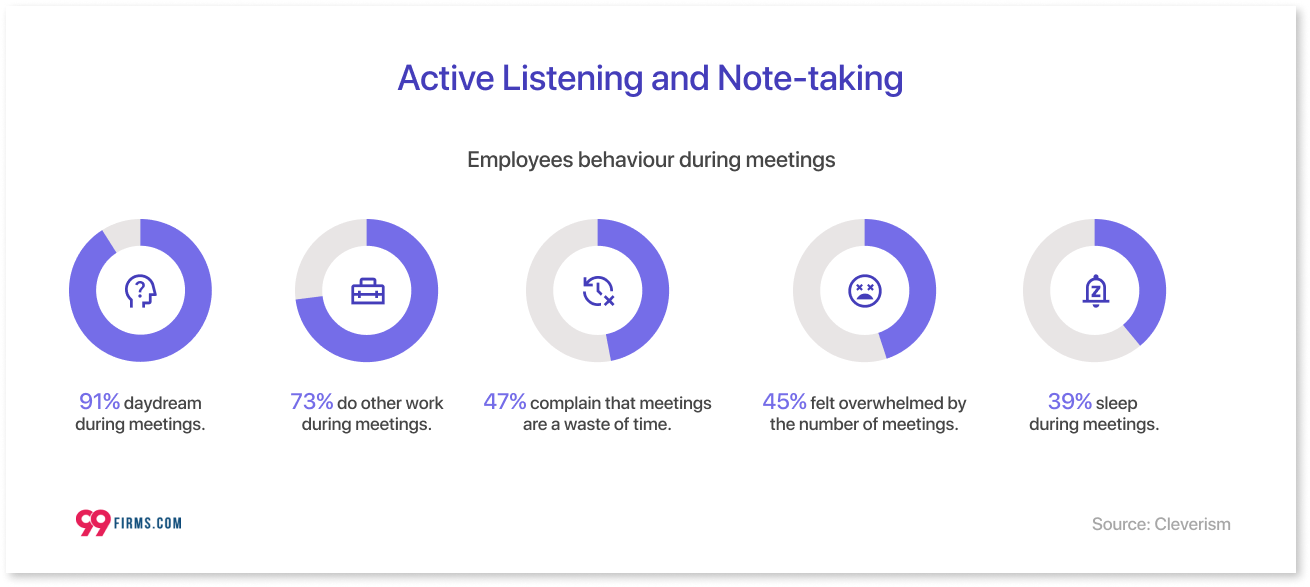
Active listening involves more than just hearing; it's about fully concentrating on what someone is saying, understanding their message, and responding thoughtfully. Techniques for active listening include maintaining eye contact to show attentiveness, nodding, or using verbal cues like "I see" to acknowledge understanding and refrain from interrupting or jumping to conclusions. Reflecting on the speaker's words can confirm understanding and encourage further communication.
In group settings, encouraging participation while managing dominant voices ensures everyone's input is valued. Techniques such as setting clear expectations for turn-taking and gently redirecting conversations back to quieter participants can balance contributions. Active facilitation can help maintain a respectful and inclusive atmosphere where diverse viewpoints are heard.
Taking effective meeting notes involves capturing key points and action items concisely and accurately. Best practices include using shorthand for speed, focusing on essential details rather than verbatim transcription, and organizing notes chronologically or by topic for clarity. Tools like digital note-taking apps or traditional notebooks can aid in capturing and structuring information effectively.
Minutes Of Meetings (MOM)
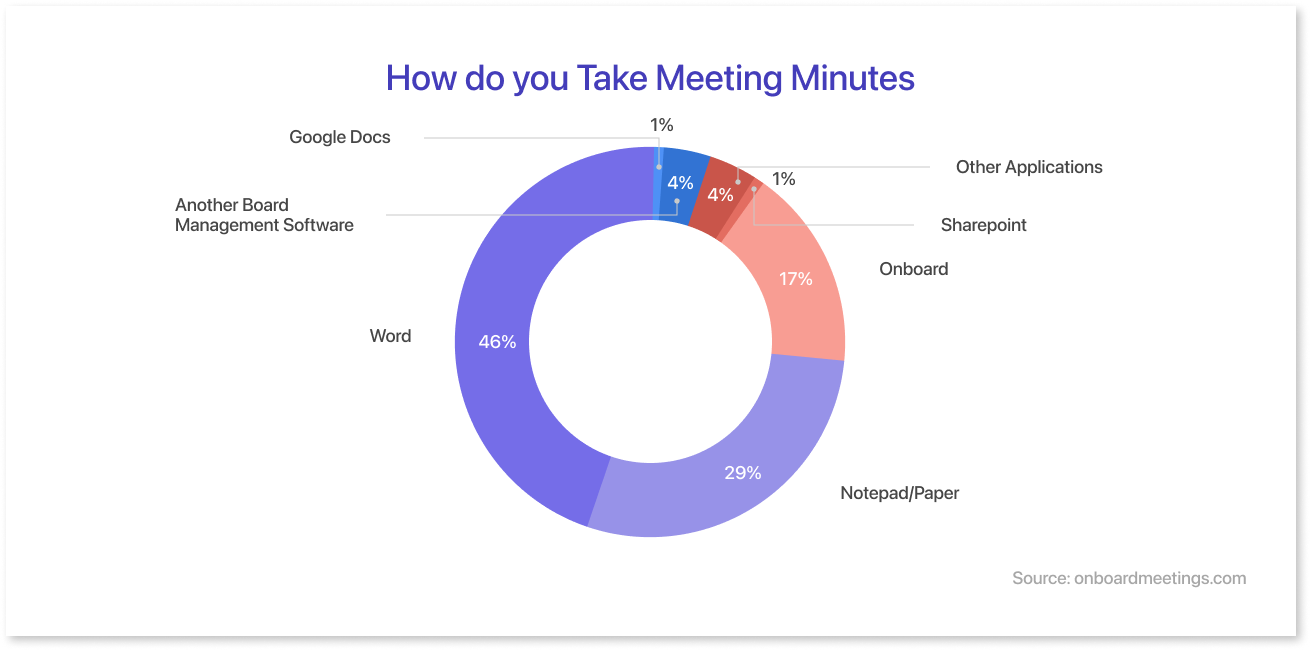
Minutes of Meetings (MOM) are detailed notes that capture the essential points discussed during a meeting. They typically include information such as the date, time, and location of the meeting, the names of attendees, the topics discussed, decisions made, and action items assigned. MOM serves as an official record that participants can refer to for future reference, ensuring everyone is on the same page regarding what was agreed upon and what actions need to be taken.
The importance of MOM in preparing an effective meeting cannot be overstated. First, MOM provides a clear and concise summary of the meeting, which helps attendees recall details and follow up on tasks. This is particularly crucial when meetings cover complex issues or involve many participants. Second, MOM ensures accountability by documenting action items and assigning responsibilities, making it easier to track progress and hold individuals accountable for their commitments.
Handling Conflicts in Meetings
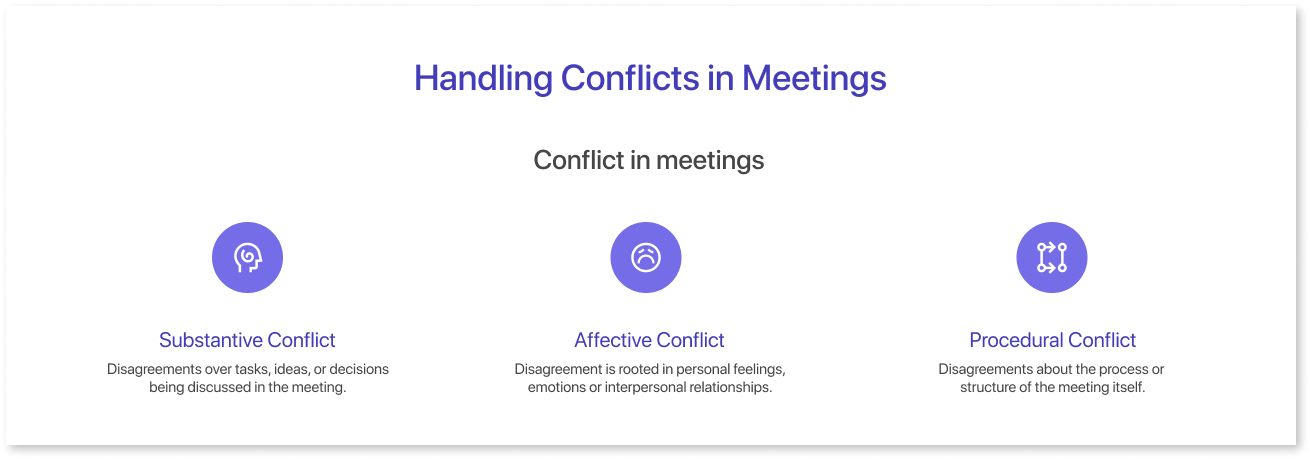
Handling conflicts in meetings, such as technical difficulties, requires a strategic approach to minimize their impact on operations. When faced with technical problems, the first step is promptly diagnosing the issue. This involves gathering information about the problem, understanding its scope, and identifying its root cause. Teams often use troubleshooting protocols or IT support to expedite this process, ensuring a swift resolution.
Contingency planning is crucial for mitigating disruptions caused by unexpected issues. This involves preparing alternative strategies or backup systems that can be activated quickly to maintain business continuity.
Review and Reflection
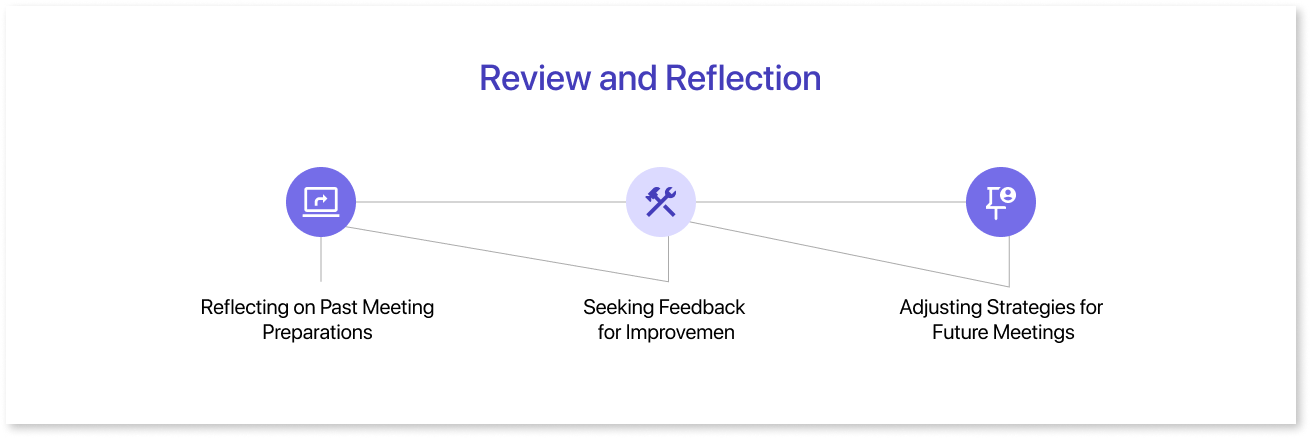
Reflecting on past meeting preparations and seeking feedback is crucial for improving future meetings. This sub-topic explores the importance of reviewing past preparations, seeking feedback, and adjusting strategies for better outcomes.
A) Reflecting on Past Meeting Preparations:
- Evaluate objectives and achievement.
- Assess logistical arrangements.
- Review the meeting agenda's effectiveness.
B) Seeking Feedback for Improvement:
- Solicit input from participants.
- Use post-meeting surveys.
- Conduct one-on-one discussions.
C) Adjusting Strategies for Future Meetings:
- Identify areas for improvement.
- Implement corrective actions.
- Foster a culture of continuous improvement.
Final Thoughts
In the intricate game of meetings, meticulous preparation emerges as the linchpin for success. Like a strategic chess match, clarity, purpose, communication, and collaboration tools are essential. Gathering and organizing materials, mental readiness, and effective data visualization equip participants for informed contributions.
Prompt it. Wireframe it with Mokkup.ai.