What is Data-Driven Marketing?
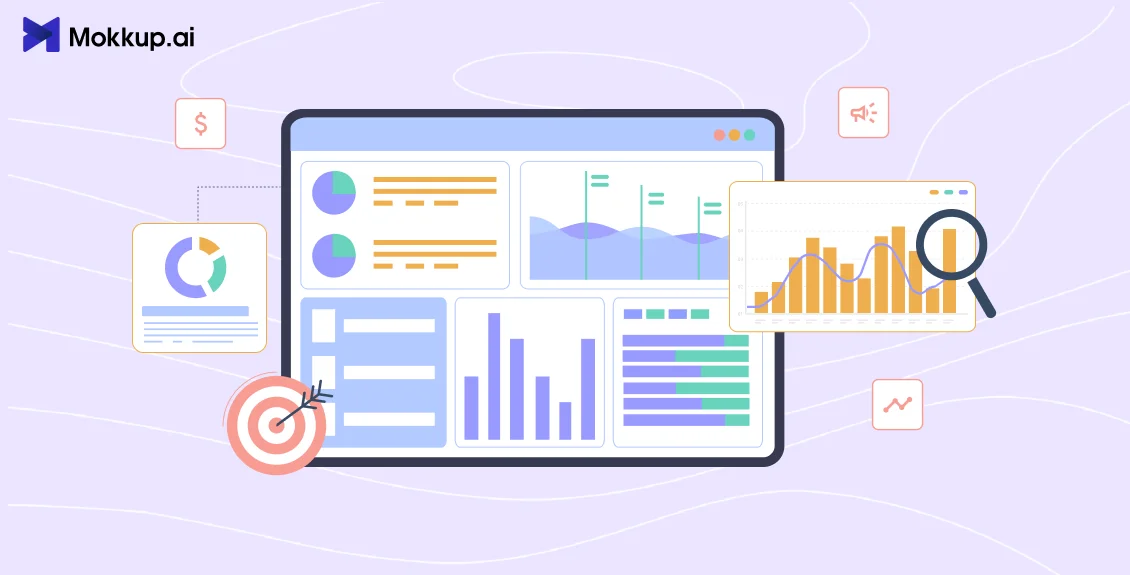
Data driven marketing uses customer data to guide marketing decisions, resulting in more targeted and effective campaigns. Marketers can create personalized strategies that increase engagement, boost conversion rates, and maximize return on investment (ROI) by analyzing consumer behavior, preferences, and interactions.
Table of Contents
- Some Common Examples of Data Driven Marketing Solutions
- What's the Difference Between Traditional Marketing and Data-Driven Marketing?
- Benefits of Using Data in Marketing
- Top Challenges in Data-Driven Marketing
- How to Leverage Data for Your Marketing Strategy
- Why is Data Expertise Essential for Marketers Today?
Some Common Examples of Data Driven Marketing Solutions
- Targeted Digital Ads: Businesses can distribute ads to specific audiences by analyzing the demographics of previous consumers, resulting in more relevance and engagement.
- SEO Insights from Paid Search: Data from paid search campaigns can improve SEO strategies. It helps match content with popular search terms and trends.
- Personalized Suggestions: E-commerce sites like Amazon use your browsing and purchase history to suggest products. It makes shopping easier and helps increase sales.
- Cart Abandonment Emails: Sending reminders to customers about things left in their online carts increases conversions and purchases.
Let’s look at the fundamental differences between traditional and data-driven marketing.
What's the Difference Between Traditional Marketing and Data-Driven Marketing?
Marketing has always aimed to understand customer needs and deliver products that meet them. Traditionally, this meant conducting market research and making assumptions, frequently relying on trial and error to find effective strategies.
However, data driven marketing solutions use real-time customer insights to engage audiences with relevant offerings at the right time. They provide personalized experiences, accurate targeting, and more efficient customer acquisition.
To grasp the difference, it's essential to revisit the basic goal of marketing.
|
Traditional Marketing |
Data-Driven Marketing |
|
Used market studies to gather insights. |
Uses real-time customer insights to inform decisions. |
|
Relied on assumptions about the target audience. |
Personalizes experiences for individual customers. |
|
Relied on trial-and-error campaigns to find effective strategies. |
Targets specific audience segments with precision. |
|
Measured effectiveness mainly through indirect methods. |
Measures and refines strategies in real-time for better results. |
|
Less efficient and customer-focused. |
More efficient, impactful, and customer-focused. |
Benefits of Using Data in Marketing?
Data driven marketing tools help businesses to understand their customers better, resulting in more targeted and effective campaigns. It also supports real-time assessment and modifications to improve outcomes—and it works. In fact, 2 out of 3 leading marketers agree that data-driven decisions outweigh gut instincts.
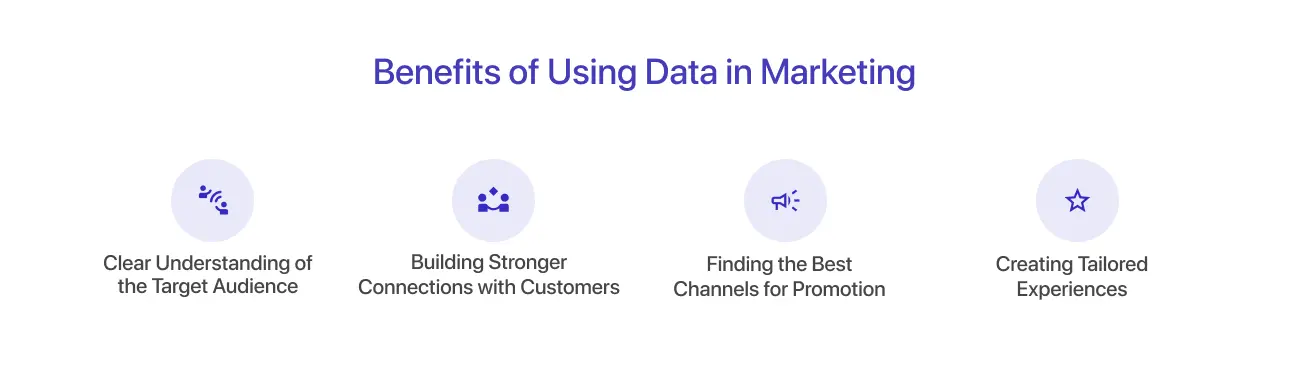
1. Clear Understanding of the Target Audience:
Data driven content marketing helps marketers clearly understand their customers. CRM data helps them predict customer actions and ensure they send the right message at the right time.
2. Building Stronger Connections with Customers:
Data driven marketing insights allow marketers to engage with their audiences more effectively and on a larger scale. Real-time data helps adjust campaigns based on customer actions, keeping the message in line with what the audience expects.
3. Finding the Best Channels for Promotion:
A data driven marketing approach shows customer preferences and the best channels for reaching them. It allows advertisers to position their message where the audience is most likely to engage.
4. Creating Tailored Experiences:
Generic ads often fail to capture customers’ attention. Marketers can use data driven marketing solutions to create personalized campaigns based on customer preferences and past interactions. This technique improves customer engagement and leads to better results, with businesses achieving higher ROI through customized experiences.
Studies show that using data in marketing can lead to significant benefits. These include more loyal customers, new customers, and higher satisfaction. According to Forbes research, data helped 64% of marketing leaders gain more clients. Despite these advantages, many marketers face challenges when using a data-driven approach.
Top Challenges in Data-Driven Marketing
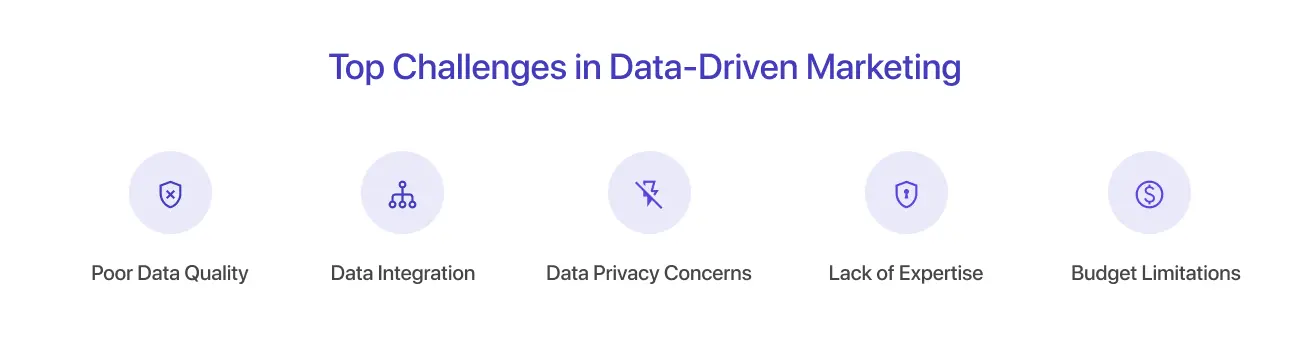
Although data driven marketing tools have many advantages, marketers often face several challenges. Here are some of the most common ones:
1. Poor Data Quality:
It can be challenging to keep the data accurate, consistent, and reliable. Incorrect data can lead to misleading insights, flawed strategies, and poor marketing decisions, affecting overall business performance.
How to Overcome: Maintain the quality of your data by cleaning, validating, and updating it regularly. Use innovative tools and processes to detect errors, eliminate discrepancies, and ensure correctness. Build a solid data governance framework. It will help keep your data accurate.
2. Data Integration:
Marketers often find it hard to combine data from different sources. These sources include social media, CRM systems, website analytics, and email marketing platforms. It makes it challenging to create a complete view of the customer. This fragmentation limits effective decision-making.
How to Overcome: Use unified platforms to combine data from multiple sources into a single view. Automation tools can make data combining easier and assure smooth integration. Collaborate with data professionals to improve processes and efficiency.
3. Data Privacy Concerns:
Marketers must securely collect, store, and use data while following strict laws like GDPR (General Data Protection Regulation) and CCPA (California Consumer Privacy Act). Noncompliance can result in a loss of customer trust.
How to Overcome: Invest in safe data management tools and update your systems with current compliance regulations. Review and update guidelines regularly. Inform your team about best practices on data privacy. This helps build trust and ensures compliance.
4. Lack of Expertise:
Effective data-driven marketing requires strong analytical, interpretation, and strategic skills. However, many marketers lack the knowledge or resources to manage data effectively, resulting in not enough use of insights.
How to Overcome: Provide data analytics training to your team to help them develop their knowledge. You can also work with data experts or consultants, as they can help you get the most value from your data. It will ensure you have accurate insights that match your business goals.
5. Budget Limitations:
Adopting a data-driven strategy requires investments in advanced tools, technology, and qualified individuals. It can pose a substantial obstacle for smaller businesses or those operating on a restricted budget.
How to Overcome: Start small by focusing on high-impact areas and gradually expanding as you see returns. Use cost-effective tools and templates, or explore marketing dashboard examples to visualize key metrics, optimize spending, and maximize ROI.
How to Leverage Data for Your Marketing Strategy
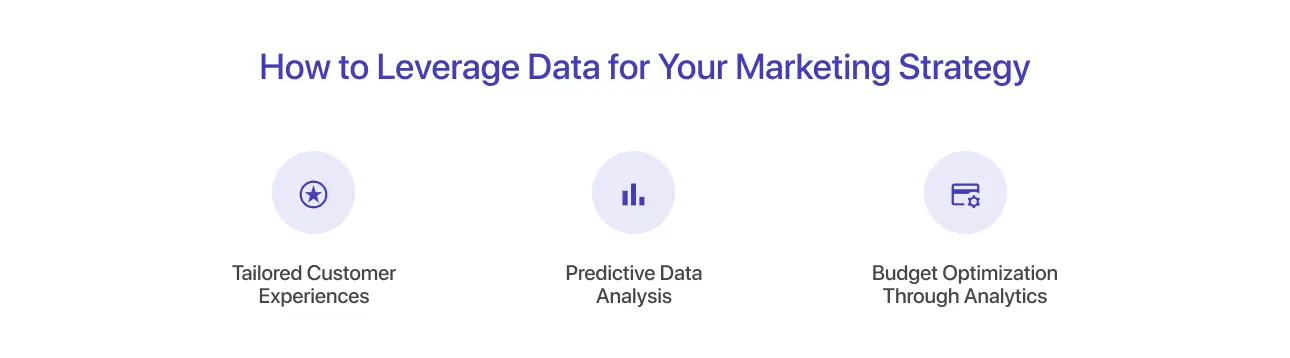
Developing a data driven marketing approach involves using marketing data to guide decisions and identify trends. Since trends and customer preferences evolve quickly, flexibility and experimentation are key. Adopting different methods and maintaining a flexible budget can help you adapt quickly and discover what works best.
1. Tailored Customer Experiences
Hyper-personalization uses data analytics to tailor marketing to individual customer preferences. AI for customer insights takes this further by leveraging machine learning to uncover hidden patterns in behavior and preferences, enabling truly predictive personalization takes a step further, recommending future purchases based on prior behavior and increasing customer engagement and loyalty.
2. Predictive Data Analysis
Predictive analysis uses data to understand customer behavior instead of relying on guesswork. Marketers can use tools like AI to examine past activities. It helps them make better choices about where to focus, resulting in more targeted marketing and boosted sales.
3. Budget Optimization Through Analytics
This approach helps improve marketing budgets by examining past performance. Multi-touch attribution credits different points in the customer journey, ensuring money is spent wisely to increase ROI and campaign results.
Effectively applying these strategies requires a thorough understanding of data and analytics. It allows marketers to make decisions that enhance campaign performance and drive business growth.
Why is Data Expertise Essential for Marketers Today?
Understanding data allows marketing professionals to track KPIs in marketing dashboards, analyze customer journey analytics, and uncover actionable insights. Data driven marketing insights ensure marketers base every activity on accurate data, leading to better decisions and higher returns on investment (ROI).
This expertise ensures marketers base every activity on accurate data. It includes setting goals and improving marketing tactics, which leads to better decisions and higher returns on investment (ROI).
Moreover, data expertise enables marketers to monitor organic traffic, evaluate the effectiveness of digital marketing strategies, and assess performance across social media platforms.
Using data can help small businesses find ways to improve their marketing. It allows them to spend wisely, reach the right audience, and make effective marketing plans. Marketers can use data to align their strategies with business goals, helping them work better with the sales team to drive growth.
Marketing Reports and Analytics for Business Success
The marketing concept focuses on understanding customers' needs and creating valuable strategies. Analytics tools help marketers track performance and optimize efforts to align with business goals, bridging the marketing reporting gap with data-driven insights.
Marketing analytics tools are essential for creating detailed marketing reports. They help marketing departments track and measure performance using key metrics. These tools help evaluate customer base engagement, highlight areas for improvement, and provide valuable insights for refining marketing tactics.
By focusing on marketing KPIs and integrating data into daily marketing activities, marketing professionals can build effective strategies tailored to their target market. Data-driven insights help teams achieve the best results while keeping costs low. It can be accomplished through blog posts, social media campaigns, and other digital marketing efforts.
Let's look at some of the examples of top tools for marketing insights:
- Tableau: is a visually stunning data visualization tool known for its interactive analytics capabilities.
- Google Data Studio: is a free tool for creating dashboards and reports, making it ideal for businesses looking for a budget-friendly solution.
- Azure and Power BI: are perfect for companies already embedded in Microsoft's ecosystem. They offer robust data analysis and reporting tools.
- Qlik: is renowned for its deep data analytics capabilities, making it a perfect choice for companies seeking advanced insights.
- Mokkup.ai: It is an easy-to-use wireframing tool that simplifies dashboard design. You can export your wireframes directly to Tableau and Power BI files, making the transition from design to implementation in Business Intelligence (BI) tools easy.
Conclusion
Data driven marketing approach is changing how businesses connect with customers. It helps them create more personalized, targeted, and effective campaigns. Marketers can optimize their strategies, improve engagement, and boost ROI using real-time data insights.
The multiple tools enable marketers to gather, analyze, and visualize customer data, allowing them to make smarter decisions. Furthermore, as privacy standards evolve, marketers must prioritize safe and ethical data practices. Businesses can increase customer trust by adopting a transparent approach to data collection and assuring compliance with privacy rules.
It strengthens relationships and builds long-term loyalty. It creates a strong foundation for lasting success in a data-driven world.
Common Questions Asked
Q1. What is Marketing?
Marketing includes different activities businesses use to promote and sell their products or services. It uses techniques such as advertising to interact with consumers, businesses, and organizations to promote sales and increase participation.
Q2. What is the Importance of Data-Driven Marketing?
Data driven marketing is essential because it helps businesses make critical decisions based on real customer insights. It enables customized, targeted campaigns that boost engagement, consumer satisfaction, and ROI.
Q3. What are the Benefits of Data-Driven Marketing?
Data driven marketing helps businesses better understand their customers and create personalized campaigns. It leads to higher engagement, better results, and more innovative use of marketing budgets.
Prompt it. Wireframe it with Mokkup.ai.